Navigating Greenwich HMO requirements can feel daunting, but the rules come down to a handful of clear areas: licensing, space and amenity standards, kitchen facilities, and safety. This guide simplifies the key Greenwich HMO rules so landlords and agents can manage their properties confidently and meet the standards the Royal Borough expects. Get them right and an HMO is a strong income model; get them wrong and you risk heavy fines, so it pays to understand the Greenwich HMO regime before you let.
Greenwich HMO rules at a glance
- An HMO may need a licence, comply before you let, not after.
- Minimum room sizes apply: 6.51m² for a single, 10.22m² for a double.
- Shared kitchens and studio flats have specific facility standards.
- Fire safety, gas and electrical safety, and maintenance are landlord duties.
- Non-compliance can mean hefty fines, or, in serious cases, prosecution.
Understanding Greenwich HMO licensing requirements
The first step for any Greenwich landlord is to understand and meet the HMO licensing requirements. HMO management regulations set out the minimum standards for space, safety and amenities, and landlords must also comply with energy efficiency rules, smoke and carbon monoxide alarm regulations, and the relevant licensing scheme. Non-compliance is not a minor matter. It can lead to significant fines and, in serious cases, prosecution. Confirm whether your property needs a licence and apply before letting, because operating an unlicensed HMO that should be licensed is itself an offence. For the wider London picture, see our guide to HMO licensing London, and for the underlying definition, what is an HMO.
Meeting space and room-size standards in Greenwich HMOs
Managing space to the Greenwich HMO standards is essential. The core minimum room sizes are:
- Single room (one person): at least 6.51m².
- Double room (two people): at least 10.22m².
The figures change where a room contains its own kitchen facilities: a single must then be at least 11m² and a double at least 15m². Where there are separate kitchen and lounge or dining facilities, different floor-area requirements apply. Landlords must also provide adequate storage for each tenant's belongings, roughly 0.25m³ for a single room and 0.5m³ for a double. Most established lets comply, but be cautious with smaller rooms: you may let them without issue, but if a tenant reports the property and a room falls short, you could face enforcement, so check carefully.
Minimum kitchen facilities in Greenwich HMOs
Shared kitchens in Greenwich HMOs must meet set standards:
- A fixed, water-resistant worktop, minimum size around 2000mm x 600mm.
- A storage cupboard per occupant, but not the cupboard beneath the sink, which can't be used for food.
- Separate storage for shared cooking equipment such as pans.
- A fridge with capacity of at least 245 litres (roughly enough for five people).
Studio flats have their own requirements: a sink with drainer and hot and cold water; a cooker with two burners, an oven and a grill; a securely fixed worktop of at least 600mm x 600mm near the cooker; a dry-goods cupboard of at least 0.15m³; a fridge of at least 140 litres; sufficient electrical sockets; and good lighting and ventilation to prepare food safely. For the full detail, the Royal Borough's private rented property licensing pages set out the standards and the landlord guidance in full.
Safety and maintenance duties in Greenwich HMOs
Under the Greenwich HMO rules, landlords have clear duties to keep properties safe and well maintained. Safety is paramount in an HMO: that means proper fire-safety measures such as smoke alarms and fire extinguishers, clear escape routes, and tenants who understand fire safety. Gas and electrical appliances must be kept safe and up to date, an annual gas safety check and a satisfactory EICR are non-negotiable, and faulty items must be repaired or replaced promptly. Landlords should also keep the property in good repair, deal with leaks or damp, keep shared areas clean, and carry out regular inspections, acting quickly on any problem or complaint.
Tenant relations and security
Greenwich's rules also expect landlords to maintain good tenant relations and keep tenants safe and secure. That means clear communication, prompt responses to concerns, and making sure tenants understand their responsibilities and their rights under the tenancy agreement. On security, regular inspections should identify risks, faulty locks, poor communal lighting, fire-safety gaps, so they can be fixed quickly, and tenants should know the emergency procedures and feel able to report concerns. Done well, this isn't just compliance; it is what makes an HMO a stable, low-turnover let.
A legislative headache? It doesn't have to be
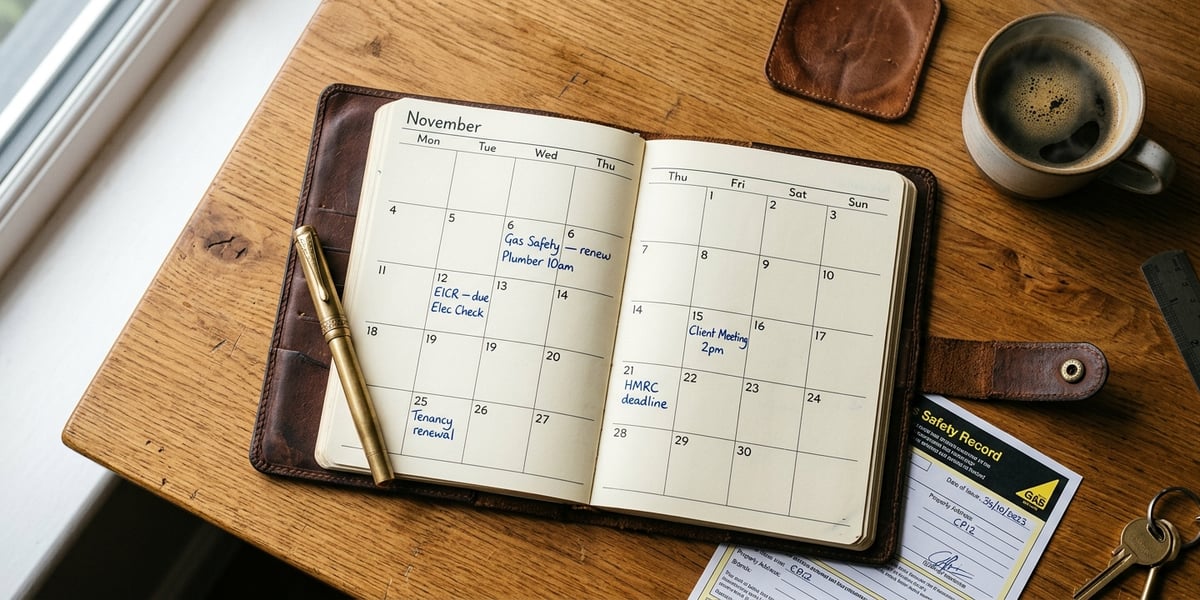
Understanding and applying the Greenwich HMO rules is essential to managing a property well, avoiding legal trouble, and giving tenants a safe place to live. Most HMOs naturally fall in line with the standards, but the minimum room sizes mean some landlords can no longer let certain smaller rooms as legitimate HMO rooms, and that is exactly the kind of detail that catches people out. If you are unsure whether your property complies, it is always best to check before you let rather than after a complaint. Keeping on top of HMO duties alongside everything else is precisely what our compliance calendar is built for.
How AIHPG helps with Greenwich HMOs
HMO compliance is detailed, and the cost of getting it wrong is high. We offer HMO inspections as part of our lettings and management service, so a landlord doesn't have to navigate room sizes, kitchen standards and licensing alone. Gas safety, EICR and the rest of the compliance burden are handled as standard, so your Greenwich HMO stays on the right side of the rules while you collect the rent rather than the fines. You can read more about how we let and manage property locally on our Greenwich property management page.
Unsure if your HMO complies?
Room sizes, kitchen standards, licensing and safety. We inspect Greenwich HMOs as part of our lettings and management service, so you let with confidence rather than risk.
Book an HMO check →Frequently asked questions about Greenwich HMO rules
Do I need a licence for an HMO in Greenwich?
Quite possibly. HMOs can require a licence under mandatory licensing and, depending on the area and property, additional or selective schemes. You must confirm whether your property needs a licence and apply before letting, operating an unlicensed HMO that should be licensed is an offence and can lead to significant fines.
What are the minimum room sizes for a Greenwich HMO?
The core minimums are 6.51m² for a single room occupied by one person and 10.22m² for a double occupied by two. Where a room contains its own kitchen facilities the minimums rise to 11m² for a single and 15m² for a double. Rooms below the threshold generally cannot be let as legitimate HMO rooms.
What kitchen facilities does a Greenwich HMO need?
Shared kitchens need a fixed water-resistant worktop (around 2000mm x 600mm), a storage cupboard per occupant, separate storage for shared equipment, and a fridge of at least 245 litres. Studio flats have their own standards, including a sink with hot and cold water, a cooker with oven and grill, dry-goods storage and a fridge of at least 140 litres.
What safety checks must a Greenwich HMO landlord carry out?
Landlords must keep gas and electrical installations safe, an annual gas safety check and a satisfactory EICR, and provide fire-safety measures such as smoke alarms, extinguishers and clear escape routes. They must also maintain the property, deal with hazards promptly and carry out regular inspections.
What happens if my Greenwich HMO doesn't comply?
Non-compliance with HMO rules, from licensing to room sizes and safety standards, can result in hefty fines and, in serious cases, prosecution. Because much enforcement follows a tenant complaint, the safest approach is to confirm compliance before letting rather than risk action later.
This guide is general information for landlords, not legal advice. HMO licensing, room sizes and amenity standards are set by statute and by the Royal Borough of Greenwich and can change, check the current Royal Borough of Greenwich guidance and seek professional advice for your specific property.